Dental implants are one of the available options for replacing missing teeth, whether that be a single tooth or multiple teeth. They are typically made from titanium or a titanium alloy, materials chosen for their strength, reliability, and biocompatibility with the body. One of the most important features of titanium is its ability to integrate with the bone, in a process called osseointegration, which forms a strong and stable foundation for the new tooth.
The process of having a dental implant placed usually takes place in two stages. First, the implant is surgically placed into the jawbone, where it is left to heal and integrate. Once this healing phase is complete and the implant is stable, the second stage involves attaching a dental prosthetic to the implant. This might be a crown (for a single tooth), a bridge, or a denture depending on the extent of tooth loss.
Implants placed in the lower jaw tend to have a slightly higher success rate compared to those in the upper jaw, due to differences in bone density. While implants can be placed for older patients, they are not suitable for children whose jaw growth is still ongoing.
*Outcomes shown are only relevant for these patients and does not necessarily reflect results other patients may experience.
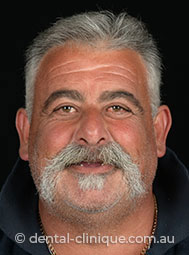
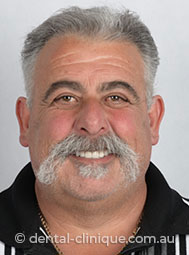
Patient concern: Missing teeth
Time taken: 6 Months
Treatment: All-On-4®
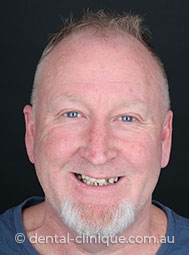

Patient concern: Missing teeth
Time taken: 3 Months
Treatment: All-On-4®
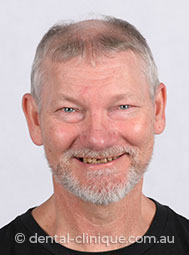

Patient concern: Missing teeth
Time taken: 6 Months
Treatment: All-On-4®
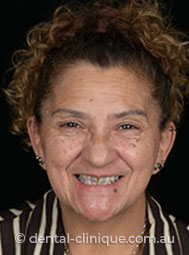

Patient concern: Missing teeth
Time taken: 9 Months
Treatment: All-On-4®

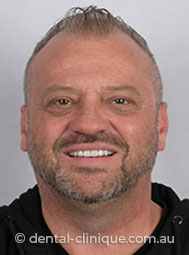
Patient concern: Missing teeth
Time taken: 8 Months
Treatment: All-On-4®


Patient concern: Missing teeth
Time taken: 8 Months
Treatment: All-On-4®
There are certain factors that may influence the success of implant treatment. Smoking or a history of gum disease, for example, have been shown to reduce the likelihood of successful osseointegration.
In some cases, bone may need to be rebuilt before an implant can be placed, especially if there has been significant loss following tooth extraction or infection. There are various methods available to regenerate bone and support implant placement.
The implant procedure for a single tooth replacement is usually carried out under local anaesthetic. In some cases, particularly where bone grafting is involved or for highly anxious patients, a general anaesthetic may be recommended in our onsite facilities under the care of a specialist anaesthetist. After surgery, some dissolvable sutures are usually placed, and some patients may be prescribed mild pain relief if required.
Depending on the implant system used and quality of the bone, some cases may require a second minor procedure a few months later to expose the implant before the prosthetic can be fitted. Once complete, the implant-supported tooth looks and functions much like a natural one.
Implants may also be used to stabilise a denture in situations where replacing all teeth with individual crowns is not possible. This is called an implant retained over denture. And helps improve the function and fit of a denture, particularly in cases of advanced bone loss.
Like natural teeth, implants require good oral hygiene and regular dental check-ups to prevent gum disease and loss of bone around the implant site.
As with any surgical procedure, dental implants carry potential risks. These may include pain, swelling, bruising, infection, bleeding, nerve or sinus effects, or implant failure. In some cases, further treatment or revisions may be needed. Your dentist will discuss these risks with you and answer any questions before treatment begins.
Payment plans starting from $38.19 per week*
Book OnlineTerms and conditions:
*information is only a guide. For full confirmation of treatment costs please book a consultation to receive a treatment plan. A full examination and assessment by a clinician is required during your initial consultation. Prices are subject to change at any time without notice.


Here's what's included:
Terms and conditions: *New patients only. Dental x-rays if required. The total out-of-pocket cost will be explained to you following your consultation with our dentists. Before proceeding, you should seek a second opinion from an appropriately qualified health practitioner.

| Monday | 8 am - 5:30 pm |
| Tuesday | 8 am - 5:30 pm |
| Wednesday | 8 am - 5:30 pm |
| Thursday | 8 am - 5:30 pm |
| Friday | 8 am - 5 pm |
| Saturday | Booking only |
| Sunday | Closed |